

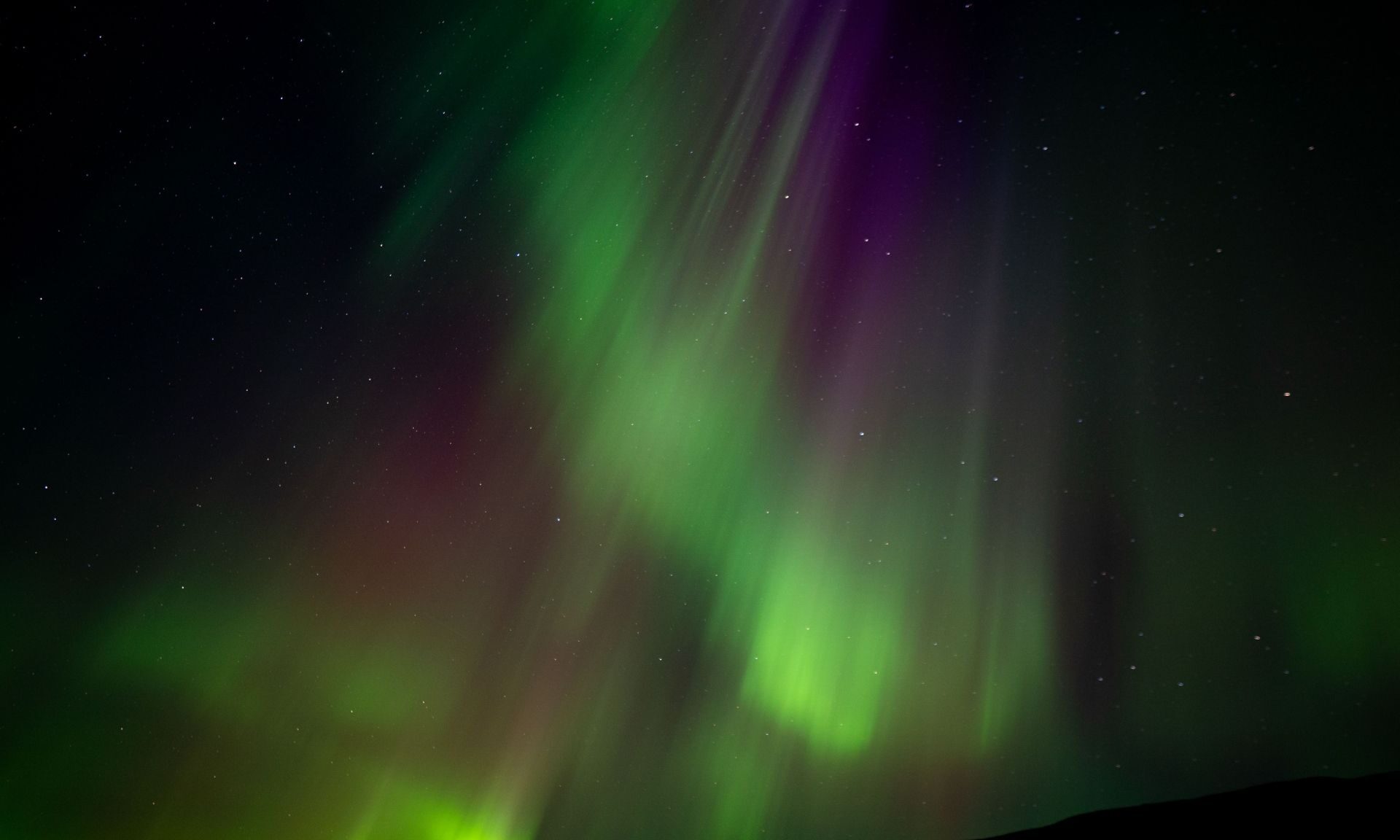

Seeing the Northern Lights in Finland in January
Wondering about the northern lights in January in Finland?
Finnish Lapland’s long, dark nights, snow-covered forests and open fell landscapes create ideal conditions for aurora watching.
While sightings are never guaranteed, staying several nights, choosing a dark location and checking the weather can improve your chances. Discover the best viewing spots, when to look and how to capture the northern lights.
Can You See the Northern Lights in Finland in January?
Yes. Finland’s northern lights season generally runs from late August to early April, and January offers excellent conditions for watching the sky. In northern Lapland, the polar night, known as kaamos, brings an extended period when the sun stays below the horizon.
The aurora occurs throughout the year, but you need darkness to see it. January provides plenty of viewing hours, although clouds can hide even a spectacular display.
Learn more about kaamos and Lapland’s polar night and what makes winter in the far north so special.
What Are Your Chances of Seeing the Northern Lights in January?
Your chances are good in Lapland, but no one can guarantee a sighting. Three factors matter most:
- Clear skies: Clouds can completely hide the aurora, regardless of solar activity.
- Auroral activity: You do not need a major geomagnetic storm. Northern Finland can experience visible auroras even when the Kp index is relatively low.
- Dark surroundings: Artificial light makes faint displays harder to see.
Staying for several nights gives you more opportunities to find clear skies. Four or five nights are generally a better bet than one evening, although cloudy weather can persist.
January is not necessarily the most active month for auroras. September–October and February–March can also be particularly favourable. January’s advantage is its long darkness and the atmosphere of deep Arctic winter.
Before heading outside, check the Finnish Meteorological Institute’s aurora and space weather service and read our guide to the northern lights forecast in Finland.
What Time Can You See the Northern Lights?
Auroras are often visible between 9 p.m. and 1 a.m., but they can appear earlier or later whenever the sky is dark enough. There is no guaranteed peak time.
Activity can change quickly. The sky might remain quiet for an hour before suddenly lighting up, so give yourself time rather than checking outside just once.
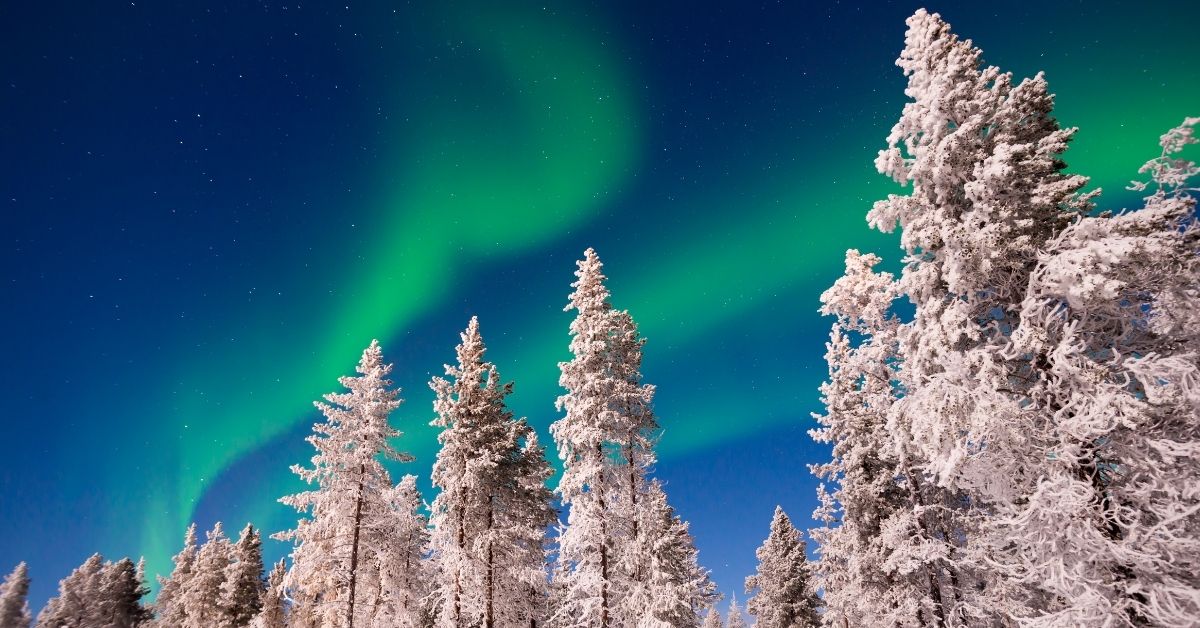
Where to See the Northern Lights in Lapland
For the best chance of seeing the aurora, look for a spot away from streetlights and illuminated buildings. An open view of the sky helps, whether you are near a clearing, a frozen lake or an exposed fell. The lights may appear towards the northern horizon or spread across the entire sky.
Give your eyes around 15–20 minutes to adjust to the darkness. Keep your phone screen dim and avoid unnecessary artificial light.
If you plan to drive to a viewing spot, remember that winter roads can be icy and reindeer may cross unexpectedly. Read our practical guide to driving in Lapland in winter before setting off.
Kelo Resort is located in Yli-Kyrö, on the edge of Pallas–Yllästunturi National Park. This part of Fell Lapland is known for its forests, open fell scenery and relatively low light pollution. At Kelo, nature is right outside your door, making it a convenient base for exploring the Arctic landscape.
Six Tips for Seeing the Northern Lights in January
- Stay several nights. A longer visit gives you more chances to find clear skies.
- Check the cloud forecast. Clear skies matter as much as auroral activity.
- Find a dark location. Move away from artificial light whenever it is safe to do so.
- Stay flexible. Be prepared to adjust your plans when the weather changes.
- Dress for standing outdoors. Waiting in the cold requires warmer clothing than walking.
- Keep your camera ready. The aurora can change quickly, so prepare your equipment before the display begins.
Want to capture the moment? Our guide to northern lights photography explains camera settings, focusing in the dark and how to photograph moving auroras.
Should You Join a Northern Lights Tour?
You can watch the aurora independently if you have access to a suitable dark location. A guided tour can make things easier, especially if you are unfamiliar with the area or prefer not to drive on winter roads.
Experienced guides understand local conditions and may be able to travel towards clearer skies.
If you want to combine aurora watching with daytime adventures, consider ice fishing in Lapland or fat biking through Lapland’s winter scenery.
What Should You Wear for Northern Lights Watching?
January temperatures around Pallas can vary considerably, and severe cold is possible. Dress for standing still outdoors rather than walking at a brisk pace.
Start with a thermal base layer, add insulating layers and finish with a windproof outer layer. Warm winter boots, wool socks, mittens and a hat are essential. Bring spare gloves and batteries if you plan to photograph the sky.
For more practical advice, see our guides to what to wear in Lapland in winter, what to pack for Lapland and Lapland weather month by month.
Is January a Good Month for a Northern Lights Holiday?
January is an excellent choice if you want to combine aurora watching with the atmosphere of a snowy Arctic winter. March brings more daylight and often milder weather, while January offers longer hours of darkness.
Ultimately, seeing the northern lights in Finland comes down to timing, weather and patience.
Choose a dark location, stay for several nights and keep your plans flexible. At Kelo Resort, the surrounding fells and forests provide a beautiful setting for experiencing Lapland, whether the aurora appears or not.
You might also be interested in following articles: