

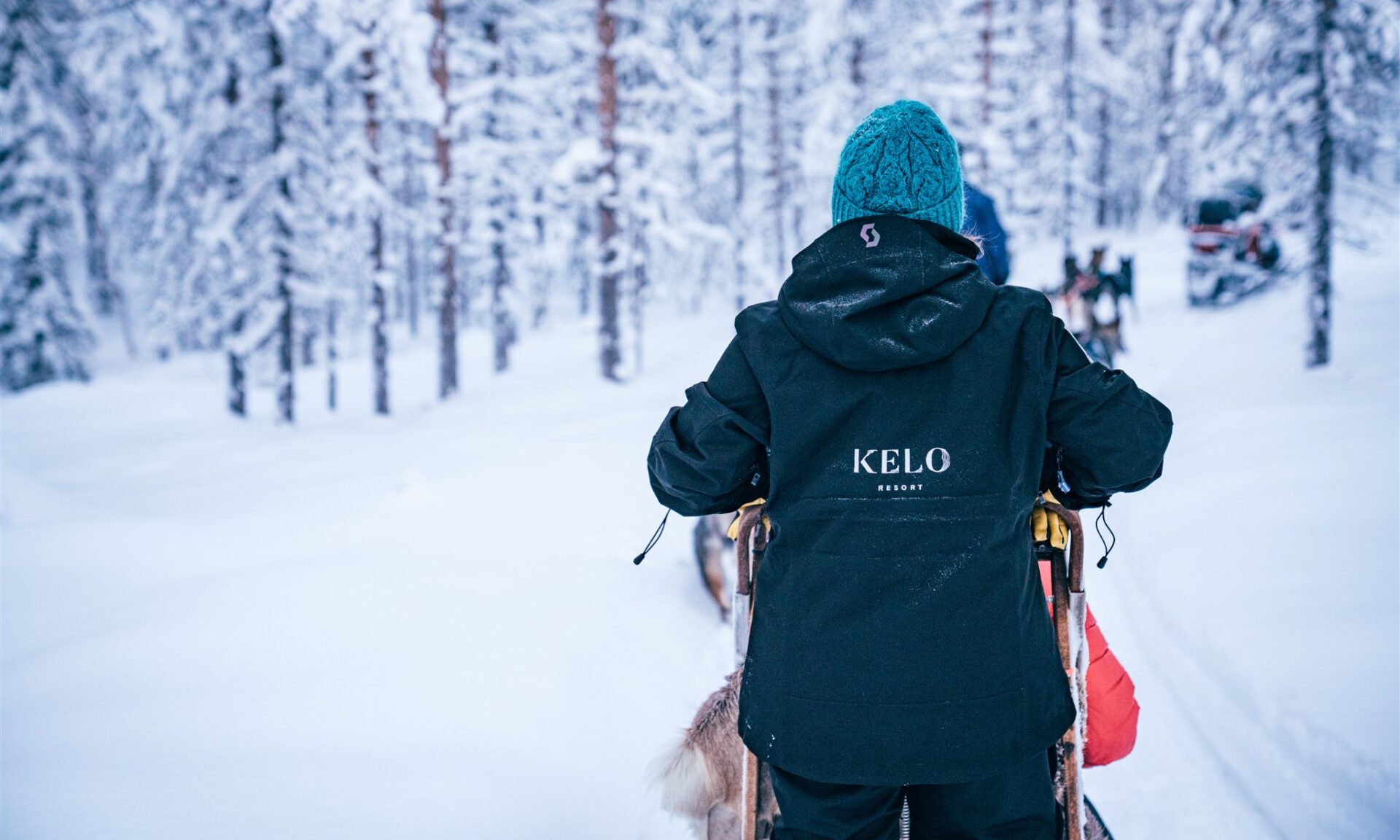

What to wear in Lapland: the short answer
If you are deciding what to wear in Lapland in winter, think in adjustable layers rather than one enormous coat. Start with a moisture-managing base layer, add one or two insulating layers and finish with a windproof, weather-resistant outer layer. Protect your head, face, hands and feet carefully. The same system works from early winter darkness to the bright snow of spring, but the thickness and number of layers should change with temperature, wind and activity.
Lapland’s weather can move quickly. A calm minus 8°C afternoon and a windy minus 25°C night require different choices, and standing beside a frozen lake is much colder than skiing uphill. Check the local forecast shortly before going outside and carry a spare warm layer on longer excursions.
Layer 1: a dry base next to the skin
Choose long underwear made from merino wool or a technical synthetic fabric. Both move moisture away from the skin and continue to insulate better than damp cotton. A long-sleeved top and long bottoms are the standard starting point. For low-intensity activities or severe cold, use a heavier base layer; for snowshoeing or cycling, a lighter one may prevent overheating.
Avoid cotton as the main layer during long outdoor activities. It absorbs sweat and dries slowly. A cotton T-shirt may feel comfortable indoors, but it is a poor foundation for an Arctic evening outside.
Layer 2: insulation you can adjust
The middle layer traps warm air. Wool knitwear, fleece and lightweight insulated jackets all work. In moderate cold, one mid-layer may be enough. In deep cold or when you will stand still, combine a fleece or wool sweater with a light down or synthetic insulated jacket.
Your legs need insulation too. Fleece trousers, wool trousers or insulated salopettes make a major difference during reindeer rides, ice fishing and aurora watching. Jeans alone are rarely warm enough and can become stiff and cold when damp.
Layer 3: protection from wind and snow
The outer layer should block wind and shed snow. A winter jacket with a protective hood and insulated or shell trousers keeps the warm air inside your layers. Waterproofing is most useful in wet snow around freezing; in colder, drier conditions, wind protection and room for insulation matter most.
Do not choose outerwear that is too tight. Compressed insulation loses warmth, and tight boots or gloves restrict circulation. You should be able to move freely and add a layer without feeling squeezed.
Winter boots and socks
Warm feet begin with insulated boots that have thick soles, good grip and enough room to wiggle your toes. The sole separates your feet from frozen ground, while the upper should resist snow and moisture. Fashion boots and smooth city soles are a common weak point.
Wear one well-fitting wool or technical sock, or a thin liner with a thicker wool sock if the boot has space. Piling on socks inside a tight boot can make feet colder by reducing circulation and crushing the insulating air layer. Bring dry spare socks for full-day trips.
Mittens, hat and face protection
Mittens are usually warmer than gloves because the fingers share heat. A practical system is a thin liner glove for operating a camera, covered by insulated mittens when you are not using your hands. Pack a spare pair because damp handwear cools rapidly.
Wear a warm hat that covers the ears. Add a neck gaiter, buff or balaclava when the wind rises or the temperature drops. A scarf can work, but loose ends are less convenient around equipment. Protect exposed cheeks and nose without rubbing them harshly if they become numb.
What to wear for different Lapland activities
Reindeer and husky rides
These are mostly low-movement activities, so dress more warmly than the thermometer alone suggests. Add an extra insulating layer, thick mittens, warm boots and face protection. A thermal overall supplied by the operator is an outer supplement, not a replacement for a good base and mid-layer.
Northern Lights watching
Waiting for aurora means standing still at night. Wear your warmest combination, use insulated trousers and consider chemical or reusable hand warmers. Take short warming breaks rather than waiting until you are deeply chilled.
Snowshoeing, skiing and fat biking
Active movement produces heat. Begin slightly cool, use breathable layers and open vents or remove a mid-layer before you sweat heavily. Carry the layer in a backpack for stops. Kelo Resort’s guided E-Bike Adventure includes warm winter clothing, but riders should still arrive in a suitable base layer.
Sauna and cold plunge
Pack swimwear if the facility requests it, sandals with grip, a warm robe or easy-changing clothes and a hat for the walk outside. After cold water, dry clothing matters more than extra fashionable pieces.
Dressing children for Lapland
Children cool faster and may not notice early cold stress. A merino or technical base, warm mid-layer and insulated one-piece overall are easy to manage. Use waterproof mittens, insulated boots, a balaclava and spare gloves and socks. Check hands, feet and cheeks regularly, and plan frequent warm breaks. Avoid bulky clothing under a child car seat harness; follow the seat manufacturer’s instructions for safe winter use.
How to adjust layers by temperature
Temperature bands are only a starting point because wind, moisture, sunshine and activity change how cold the same number feels. Around freezing, wet snow is often the main challenge. Prioritise waterproof boots, a water-resistant shell and spare gloves. A light base and fleece may be enough while walking, but carry insulation for stops.
Between roughly -5 and -15°C, a full thermal base layer, substantial fleece or wool mid-layer and insulated outerwear form a reliable everyday system. Add warm trousers, mittens and a neck gaiter even for short outings. Active travellers may need to remove a layer; passengers on a sleigh may need to add one.
Below about -15°C, details become decisive. Use thicker insulation on the legs and torso, protect every exposed area and shorten outdoor periods. Below -25°C, seek current local advice, keep excursions controlled and never let a fixed itinerary overrule frostbite risk. Wind can make exposed fell conditions feel much colder than the village reading.
Moving between heated rooms and outdoor cold
Lapland’s indoor spaces are well heated. Wearing the entire outdoor system in a restaurant, car or reception area quickly causes sweating, which becomes a problem when you return outside. Remove the coat, hat and gloves indoors, open the outer layer during short transfers and change a damp base layer before a long evening excursion.
Give yourself time to dress before a booked activity. Boots, overalls, face protection and children’s clothing take longer than expected. After returning, hang outerwear where air can circulate, remove boot liners if designed to be removable and dry mittens completely. Do not place delicate technical gear directly against a hot stove or heater.
Choosing between wool, fleece, down and synthetic insulation
Merino wool regulates temperature, resists odour and remains comfortable across several days, making it useful for base layers and socks. Fleece dries quickly, layers easily and works well during active movement. Down offers excellent warmth for its weight in dry cold but loses much of its performance if it becomes wet. Synthetic insulation is usually more tolerant of moisture and can be practical for mixed weather.
You do not need one “perfect” material. A merino or synthetic base, fleece mid-layer and weather-appropriate insulated outer layer is a dependable combination. Check garment care before travel; many wool pieces need gentle washing, while membranes and insulated jackets require room to dry.
Renting or borrowing winter clothing
Travellers from warm climates may not want to buy specialist outerwear for one trip. Winter-clothing rental can be a sensible option, and guided activities often supply a thermal overall and boots. Confirm exactly what is included, for which hours, in which sizes and whether the clothing may be used outside the activity.
Try rental boots and overalls before departure. Tell staff immediately if toes feel compressed, sleeves restrict movement or a child’s hood interferes with vision. Supplied equipment should fit over your base and mid-layers without crushing them. Bring your own underwear, base layers, hat and thin liner gloves unless the provider says otherwise.
Common winter clothing mistakes
The most common mistake is dressing only for the forecast maximum. A day that reaches -8°C may begin at -20°C and become colder again during an evening excursion. Another is wearing too much while active, sweating heavily, then becoming chilled at the first stop. Vent early and adjust before clothing becomes damp.
Other pitfalls include tight boots packed with socks, bare ankles between trousers and shoes, a gap between glove and sleeve, and relying on a hood without a hat. Touchscreens tempt people to remove gloves for too long; use a liner glove, voice controls or a simple camera setup. Finally, do not leave your warmest layer in a vehicle that is parked far from the activity.
Three complete outfit examples
Active daytime at around -10°C
Start with a medium-weight merino or synthetic base layer. Add a breathable fleece on top and thermal tights or light fleece trousers below. Use windproof winter trousers and a jacket that can vent. Wear one pair of wool socks, insulated boots, a thin hat under the helmet if needed, liner gloves and medium mittens in the backpack. This outfit suits snowshoeing or an easy fatbike ride because it moves moisture while keeping extra warmth available.
Begin slightly cool rather than warm. After ten minutes, open the jacket or remove the fleece if you are sweating. At a fire or photo stop, close vents immediately and add an insulated jacket over the other layers. The stop layer should be easy to put on without removing boots or equipment.
Reindeer ride or ice fishing at around -20°C
Use a heavier thermal base, thick wool or fleece and a light insulated jacket under a roomy thermal overall or winter coat. Add fleece or wool trousers beneath insulated outer trousers. Wear warm boots with a thick sole, one properly fitted sock system, a balaclava, warm hat and large mittens over liner gloves. Place a spare mitten and dry sock in the daypack.
Because movement is limited, protect yourself before you feel cold. Sit on an insulating pad when provided, keep hands inside mittens and make small movements with toes and shoulders. Take the warm break offered by the guide; a beautiful view is not a reason to ignore numbness.
Northern Lights evening below -25°C
Combine the warmest dry base and mid-layers with an expedition-style coat or supplied thermal overall, insulated trousers, very warm boots, balaclava, hat and mittens. Cover all skin that can be protected without obstructing breathing or vision. Keep a second insulating jacket or blanket nearby and use short observation periods separated by warm indoor or vehicle breaks.
Set up the camera before going out, use large controls and keep spare batteries in an inside pocket. Do not stand still for an hour simply because the aurora forecast looks promising. The Northern Lights may appear late or not at all; cold exposure should always have a predetermined limit.
How to check the fit of winter clothing
Raise your arms, squat and bend your knees while wearing all layers. The jacket should not expose the lower back, and trousers should overlap the boot without pulling tight. Make a fist inside mittens and confirm that fingertips do not press hard against the insulation. Wiggle every toe in the boots.
Check the hood with the hat, glasses and any helmet you will use. It should turn with your head and not block side vision. A balaclava should lie smoothly rather than creating pressure points. For children, verify fit again after adding the supplied overall; oversized clothing can trip, while tight clothing compresses insulation.
Looking after your clothing during the trip
Brush off dry snow before entering. Air base and mid-layers every night and dry damp pieces completely. Keep boot interiors free of snow and grit. If accommodation has a drying cabinet, follow the temperature limits on footwear, membranes and batteries; not every item tolerates high heat.
Pack a small repair kit with safety pins, fabric tape and a spare lace. A torn cuff or broken zip can create a serious cold gap on a long outing. Tell an activity guide about damaged supplied clothing before departure so it can be replaced.
Signs that you need to warm up
Shivering, clumsiness, unusual tiredness and difficulty concentrating mean it is time to go inside. Numb, pale or waxy skin may indicate a cold injury. Do not continue an activity to prove toughness. Move to shelter, replace wet clothing and warm gradually; seek medical advice for persistent numbness, blistering, confusion or severe symptoms.
A practical Lapland winter outfit
For a typical cold day, wear a merino base layer, wool or fleece mid-layer, insulated jacket and trousers, wool socks, roomy winter boots, a warm hat, neck gaiter and insulated mittens. Put sunglasses and sunscreen in your bag for bright spring snow, and add a reflector or reflective detail during the dark season. Before travelling, ask your accommodation and activity providers what outer clothing is included so you can pack intelligently.
Frequently asked questions about what to wear in Lapland
Are ski clothes suitable for Lapland?
Yes. A good ski jacket and salopettes usually provide wind and snow protection. Add the correct base and mid-layers, and remember that clothing designed for active downhill skiing may need extra insulation for a stationary safari or aurora wait.
Can I wear trainers for short walks?
Winter boots are safer and warmer. Snow can enter low shoes, smooth soles slip and thin midsoles provide little insulation from frozen ground. Even a short transfer may cross packed snow or ice.
Do I need snow goggles?
Usually not for ordinary village activities, but goggles can help in strong wind, blowing snow, snowmobiling or downhill skiing. Sunglasses are highly useful during bright spring days.
Should I use hand and foot warmers?
They can add comfort, especially when standing still, but follow the product instructions and avoid direct prolonged contact with skin. They cannot compensate for wet gloves, tight boots or inadequate insulation.
What should I wear on the flight or transfer?
Keep the coat, hat, gloves and one warm layer accessible rather than buried in checked luggage. On arrival, change into winter boots before spending time outdoors. Dress in removable layers because vehicles and terminals are warm.