

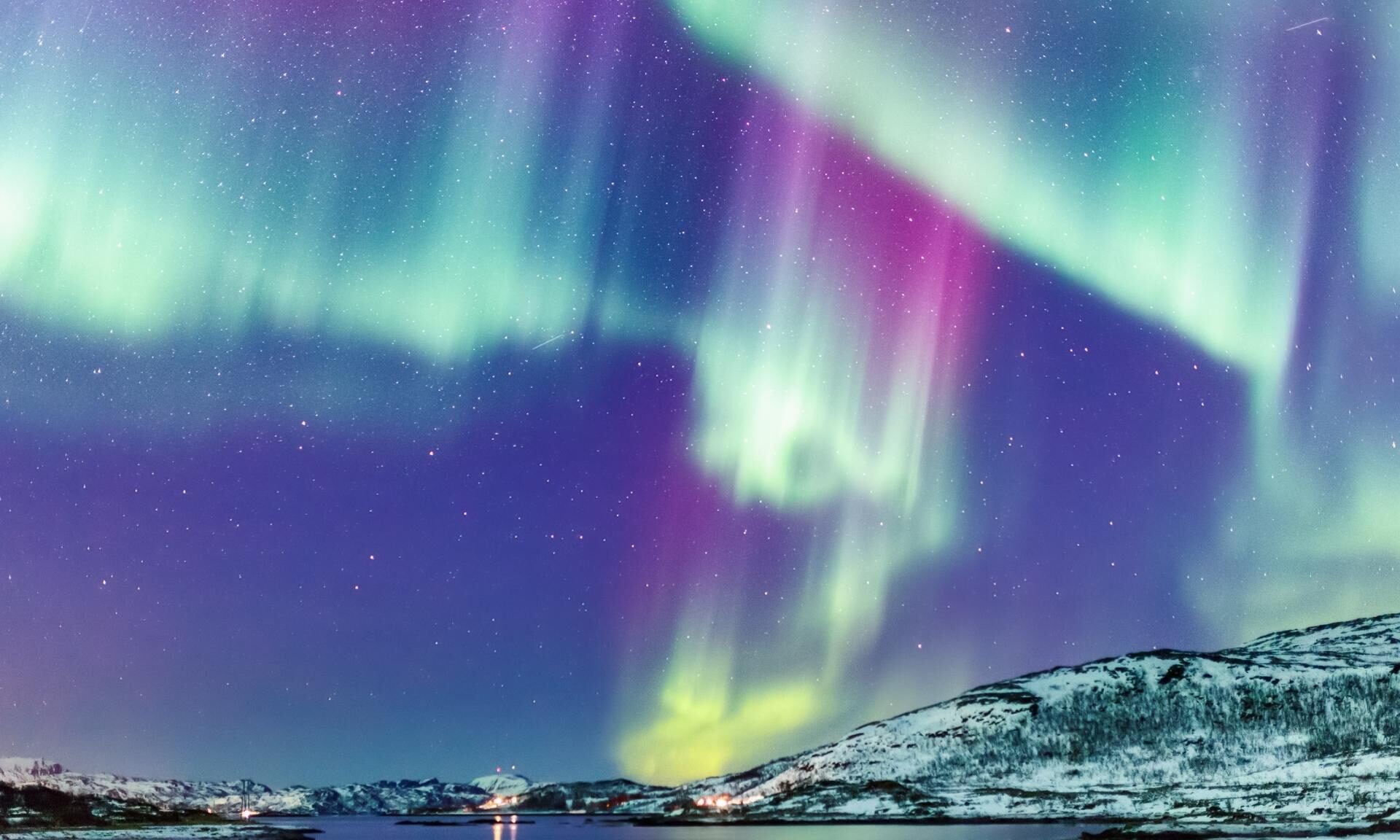

The Magic Behind the Northern Lights
The northern lights, scientifically known as the Aurora Borealis, are one of nature’s most spectacular displays.
Caused by charged particles from the sun interacting with Earth’s magnetic field, these shimmering curtains of green, purple, and pink light illuminate the night sky in high-latitude regions.
While many travelers associate the aurora with destinations such as Iceland, Norway, or Canada, the United States also offers several excellent locations where visitors can witness this breathtaking phenomenon. This article will show you where to see the northern lights in the US.
Alaska: The Best Place in the U.S.
Without question, Alaska is the premier destination in the United States for viewing the northern lights. Because of its high latitude and long winter nights, Alaska experiences frequent aurora activity, especially between September and April.
The city of Fairbanks is widely considered one of the best places in the world to see the aurora. Located under the “auroral oval,” a ring-shaped zone around the Earth’s magnetic poles where auroras are most active, Fairbanks offers clear skies and minimal light pollution.
Visitors can watch the lights from lodges outside the city, frozen lakes, or dedicated aurora-viewing tours.
Another notable location in Alaska is Anchorage. Although the city itself has more light pollution, nearby areas such as the surrounding mountains and rural viewpoints provide good opportunities for aurora viewing on strong solar activity nights.
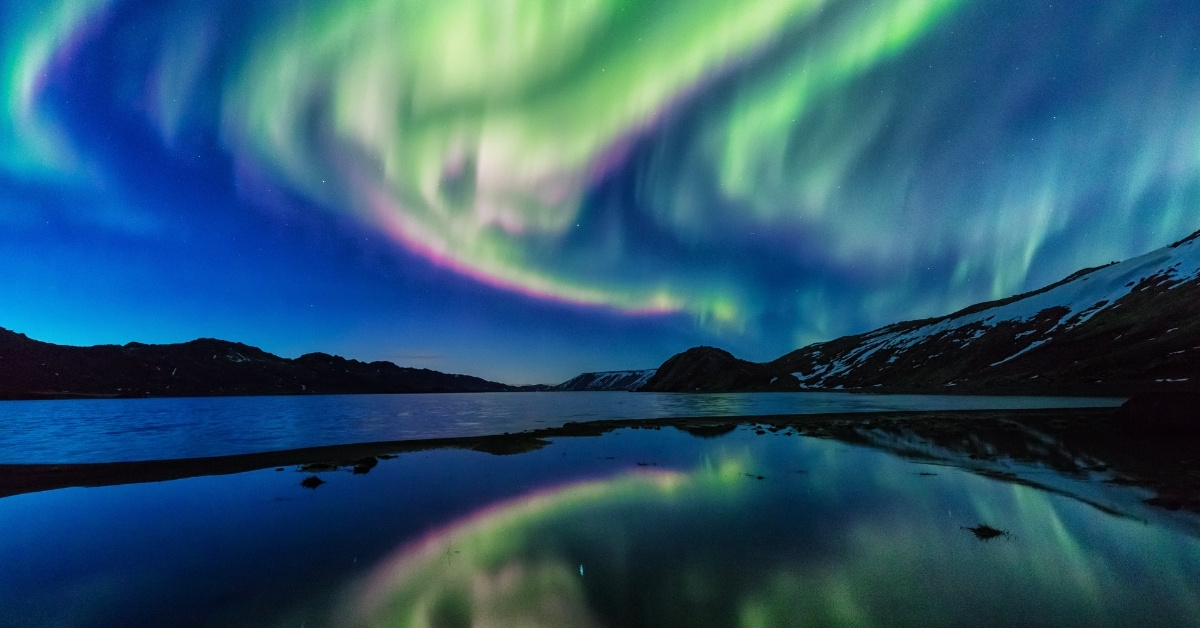
Minnesota: A Northern Lights Gateway
In the continental United States, Minnesota is one of the best places to catch the northern lights. Its northern region sits close enough to the Canadian border that strong auroral storms can bring visible displays.
A particularly popular location is Voyageurs National Park. Known for its exceptionally dark skies and minimal artificial light, the park has become a hotspot for night sky photography and aurora viewing. During periods of high solar activity, the lights can be seen reflecting across the park’s lakes, creating stunning visual scenes.
Michigan’s Upper Peninsula
Another prime location is Michigan, particularly the remote areas of its Upper Peninsula. One of the best spots is Keweenaw Peninsula, which extends into Lake Superior.
The peninsula’s northern location, combined with low light pollution and expansive lake views, makes it ideal for spotting auroras during strong geomagnetic storms.
Nearby parks and beaches provide wide, unobstructed horizons—an important factor when trying to observe auroras that appear low in the northern sky.
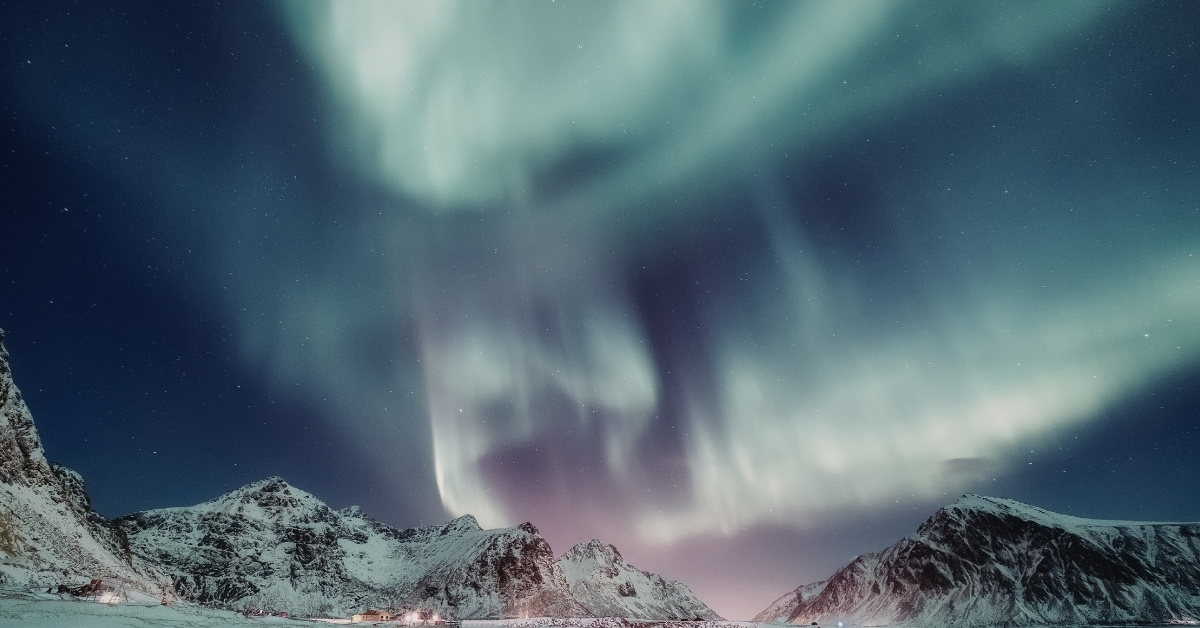
Maine’s Remote Northern Regions
The northernmost parts of Maine also offer occasional aurora sightings. Areas such as Aroostook National Wildlife Refuge and the wilderness around Acadia National Park are known for dark skies and minimal light pollution.
While auroras here are less frequent than in Alaska, strong solar storms can produce impressive displays visible across the northern horizon.
Montana and the Northern Rockies
The wide-open landscapes of Montana provide excellent aurora viewing opportunities when geomagnetic activity is high. One of the best places is Glacier National Park, where remote mountain scenery and dark skies create an ideal environment for night sky observation.
Because of the park’s distance from large cities, visitors often experience exceptionally dark conditions, allowing faint auroras to be visible even during moderate solar events.
Tips for Seeing the Northern Lights
Even in the best locations, seeing the aurora requires the right conditions. The lights are most visible during long, dark nights, typically between late fall and early spring. Clear skies and minimal moonlight greatly improve visibility.
Solar activity also plays a major role. When the sun releases bursts of charged particles—known as solar storms—the aurora becomes stronger and may extend farther south. Monitoring space weather forecasts can help travelers know when conditions are favorable. You can use for example My Aurora Forecast.
Light pollution is another key factor. The farther you are from city lights, the easier it will be to see faint auroras. National parks, rural lakeshores, and mountain viewpoints are often the best places to watch the sky.
A Natural Wonder Worth Chasing
Although the northern lights are most commonly associated with the Arctic regions, the United States offers several remarkable places where this celestial phenomenon can be experienced.
From the aurora-rich skies of Fairbanks to the dark lakes of Voyageurs National Park and the rugged coastline of Maine, adventurous travelers have many options for witnessing this unforgettable spectacle.
With patience, clear skies, and a bit of solar luck, the magical glow of the Aurora Borealis can transform an ordinary winter night into an extraordinary experience.
You might also be interested in following articles: