


Understanding the Northern Lights in Canada
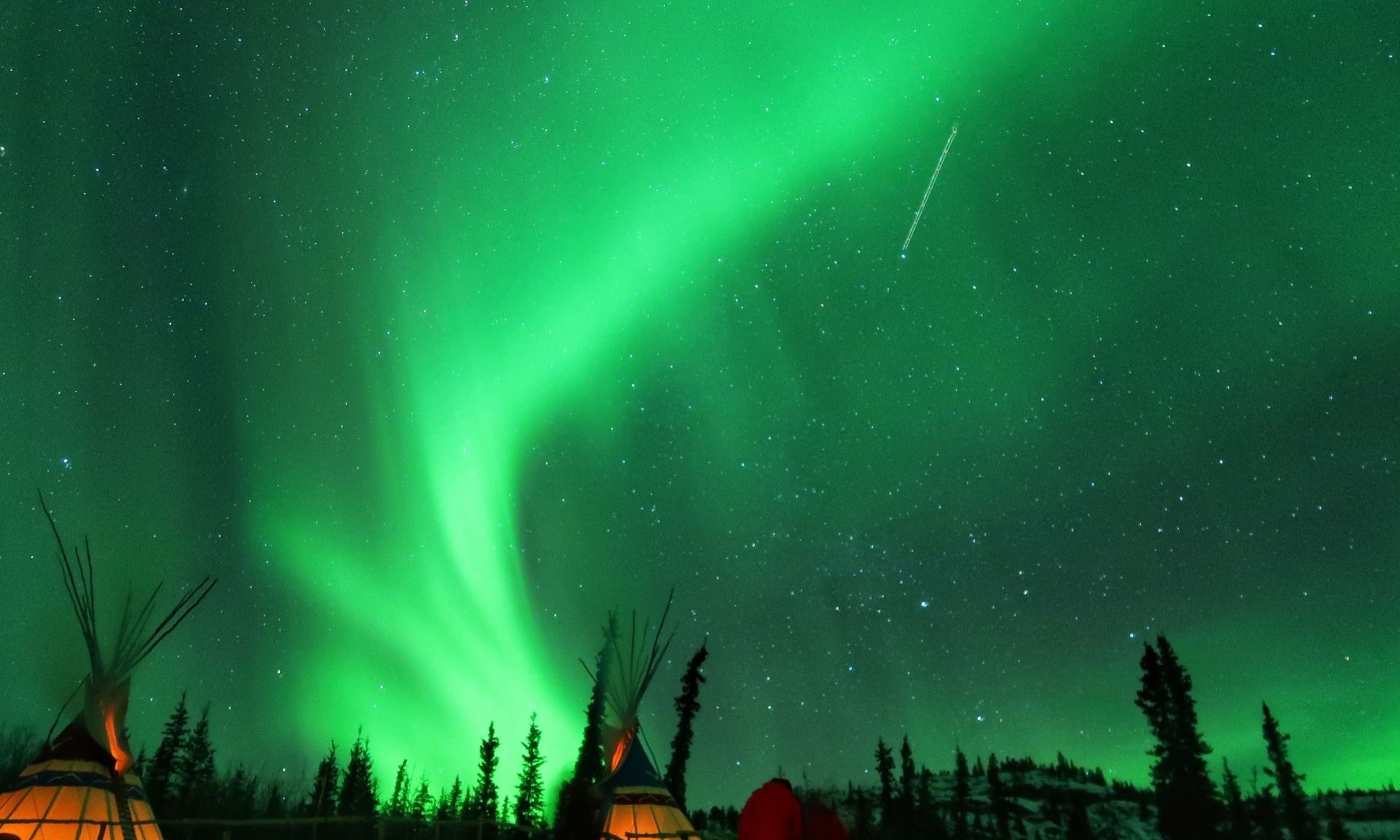
The mesmerizing glow of the Aurora Borealis is one of the most breathtaking natural spectacles on Earth. These colorful lights dance across the night sky when charged particles from the sun collide with gases in Earth’s atmosphere. But you might be wondering, where to see the Northern Lights in Canada?
While the aurora can occasionally be seen in many northern countries, Canada is widely considered one of the best places in the world to experience this phenomenon.
With vast wilderness areas, minimal light pollution, and northern latitudes, Canada offers countless opportunities to see the northern lights.
Here’s a guide on where to see the northern lights in Canada, highlighting some of the best places for travelers to witness this incredible display.
Yellowknife, Northwest Territories
One of the most famous destinations for aurora viewing is Yellowknife. Located in the Northwest Territories, this remote city sits directly under the auroral oval, the region where northern lights activity is strongest.
Yellowknife is known for having some of the clearest skies in Canada, which significantly increases the chances of seeing the aurora.
The viewing season typically runs from late August through April. During the winter months, visitors often travel outside the city to heated viewing cabins or frozen lakes to watch the lights dance across the sky.
Whitehorse, Yukon
Another fantastic place to experience the aurora is Whitehorse in the Yukon territory. Whitehorse combines easy accessibility with excellent northern lights visibility, making it a popular destination for travelers.
The surrounding wilderness offers numerous dark-sky locations that are perfect for aurora viewing. Visitors can watch the lights above snow-covered forests, frozen rivers, and mountain landscapes. Many guided tours operate from Whitehorse, taking visitors to remote areas where the skies are darkest.
Churchill, Manitoba
The small town of Churchill in Manitoba is famous for wildlife such as polar bears, but it is also an exceptional place to see the northern lights. Churchill sits directly beneath the auroral oval and experiences frequent aurora activity.
One of the advantages of Churchill is its extremely low light pollution. Because it is a remote northern community, the night sky is remarkably dark, allowing the aurora to appear vivid and bright.
Visitors can often see the lights reflected across the snowy tundra, creating an unforgettable scene.
Jasper National Park, Alberta
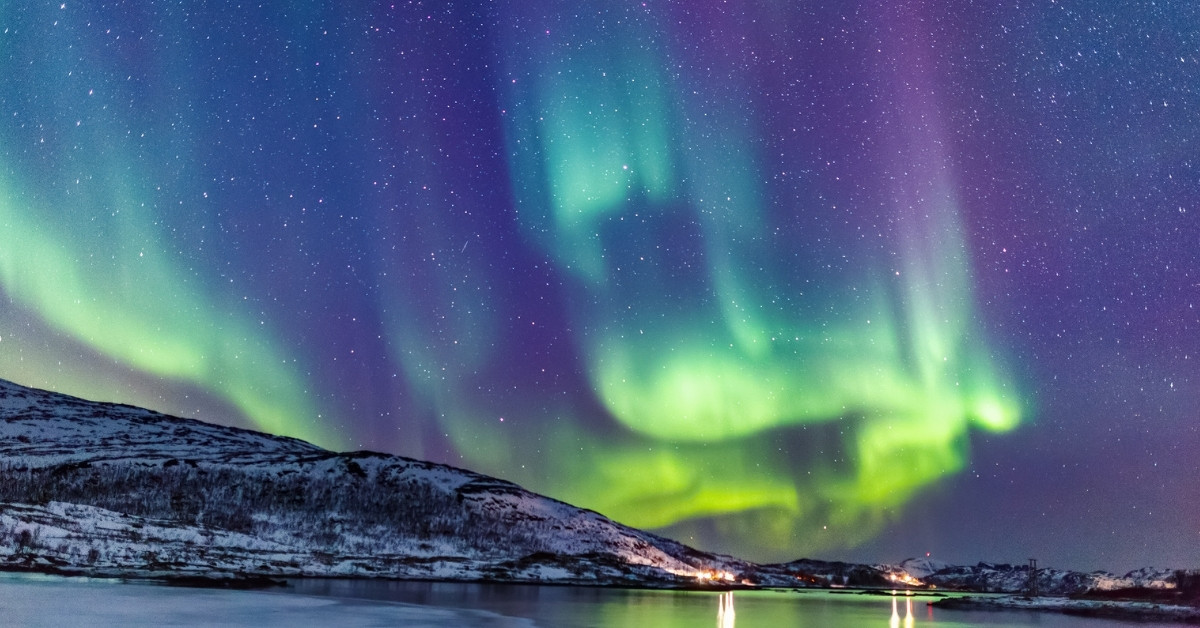
For travelers seeking dramatic mountain scenery, Jasper National Park in Alberta is an outstanding destination. The park is part of the Canadian Rockies and is recognized as a dark sky preserve, meaning it has strict limits on artificial light.
Jasper’s remote location and clear mountain skies provide ideal conditions for observing the aurora. The park even hosts the annual Jasper Dark Sky Festival, which celebrates astronomy and night sky photography.
During periods of strong solar activity, visitors may see the northern lights glowing above the rugged peaks of the Rockies.
Northern Saskatchewan
The remote regions of Saskatchewan are also excellent for aurora viewing. Because much of the province has low population density, large areas remain free from light pollution.
Communities and wilderness lodges in northern Saskatchewan offer incredible views of the aurora across forests and lakes. The flat landscapes also provide wide horizons, making it easier to see the lights even when they appear low in the sky.
Newfoundland and Labrador
Even on Canada’s eastern coast, auroras can sometimes be seen in Newfoundland and Labrador. While sightings are less frequent than in the far north, strong solar storms can bring spectacular displays to the region.
Remote coastal areas with dark skies offer the best chances of seeing the lights. Watching the aurora above the Atlantic Ocean creates a unique and beautiful viewing experience.
Best Time to See the Northern Lights in Canada
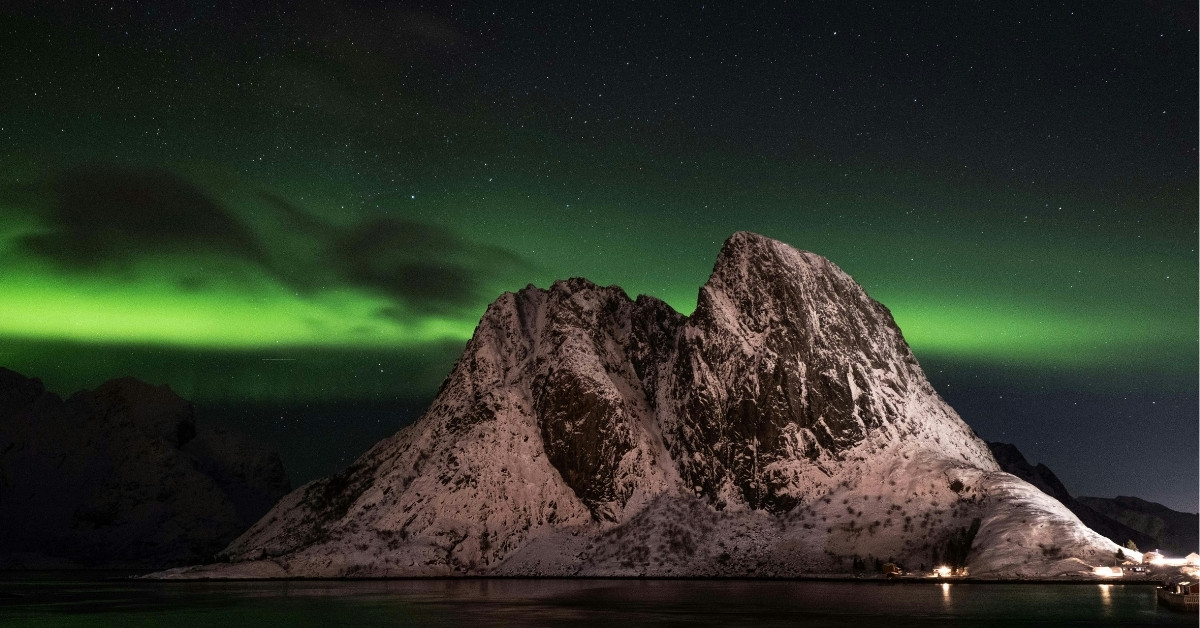
The best time to see the Aurora Borealis in Canada is typically between September and April. During these months, nights are long and dark, providing better viewing conditions.
The lights are usually most visible between late evening and early morning, often peaking around midnight. Clear skies and minimal moonlight also improve visibility. Checking aurora forecasts and solar activity reports can help travelers plan their viewing experience. You can use for example My Aurora Forecast.
Tips for a Successful Aurora Hunt
Seeing the northern lights requires a combination of patience and the right conditions. Travelers should head to areas with little or no light pollution, such as national parks, remote lakes, or open countryside.
Dressing warmly is also essential, especially in northern Canada where winter temperatures can be extremely cold. Bringing a camera with long-exposure settings can help capture the colors and movement of the aurora.
An Unforgettable Canadian Experience
With its vast northern landscapes and dark skies, Canada is one of the best places on Earth to witness the magic of the Aurora Borealis. From the remote tundra near Churchill to the mountain scenery of Jasper National Park, travelers have many incredible destinations to choose from.
For those willing to venture north and wait for the skies to come alive, the reward is a dazzling natural light show that few experiences on Earth can match.
You might also be interested in following articles: