


The Hetta–Pallas trail is a Finnish hiking classic
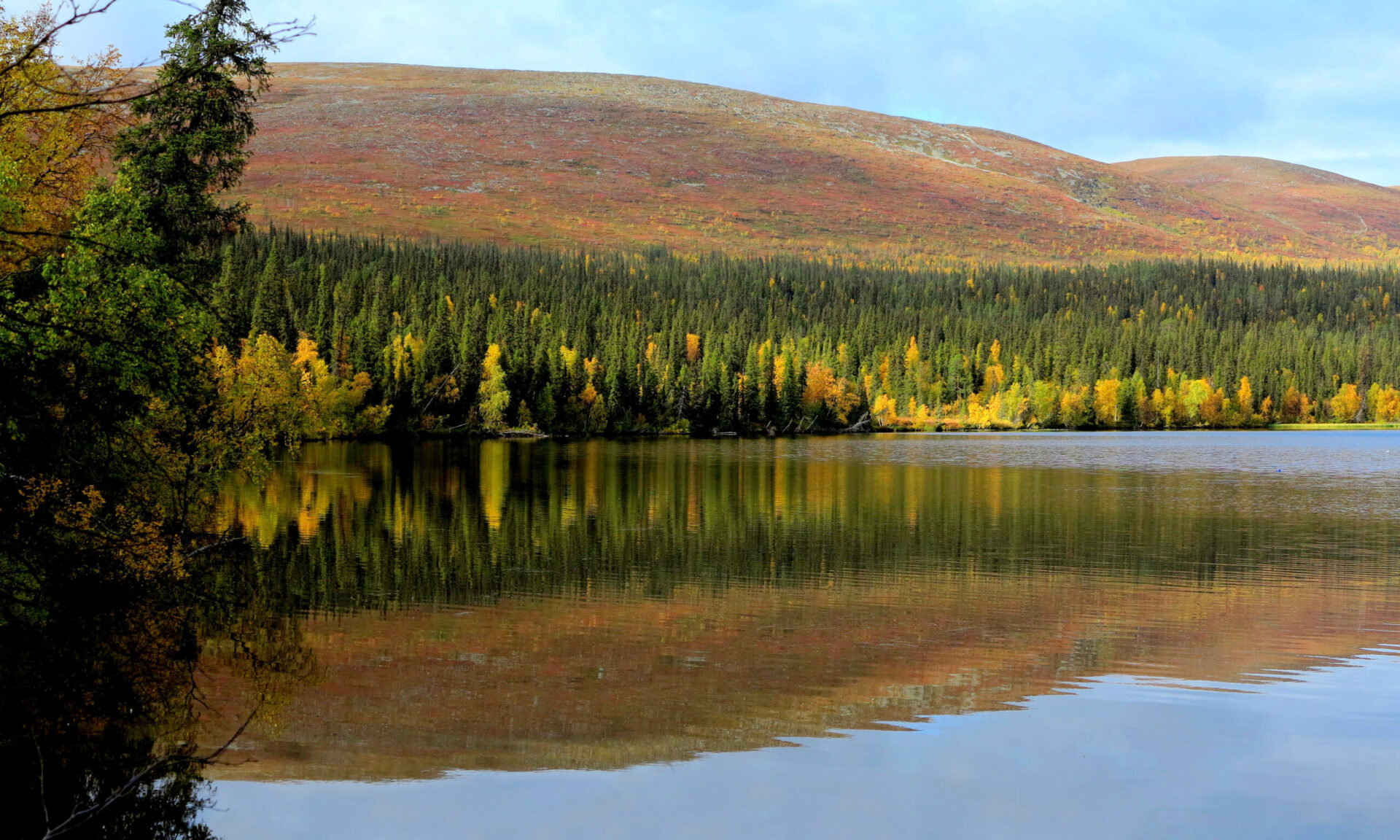
The Hetta–Pallas trail crosses the northern section of Pallas–Yllästunturi National Park through open fells, birch woods and wide Arctic views. Established in 1934, it is one of Finland’s best-known multi-day hikes. The main route is roughly 50–55 kilometres depending on access choices and current routing, and most hikers allow three or four days.
Always confirm the latest trail, ferry, hut and bridge information on Luontoon.fi before departure. Weather, maintenance and seasonal restrictions can change practical details.
Which direction should you hike?
Both Hetta-to-Pallas and Pallas-to-Hetta itineraries are possible. Direction affects transport, the order of climbs and how the scenery unfolds, but neither removes the need for self-sufficiency. Hetta access traditionally involves crossing Lake Ounasjärvi, so verify the current seasonal transport. Arrange the end-to-end transfer before starting; the trail is linear and the road journey between endpoints is much longer than the walking distance.
How difficult is the route?
The trail is not technical in normal summer conditions, but it is a genuine fell hike. Repeated climbs, rocky ground, wet sections, wind and changing weather make it more demanding than its daily kilometre count suggests. There are exposed stretches without quick shelter. A hiker should be able to navigate, carry essential equipment and respond to cold, rain or poor visibility.
Three days creates long stages for a fit party. Four days allows more time for views, weather delays and a comfortable pace. Build the itinerary around realistic walking speed rather than hut locations alone, and have a backup if a planned accommodation is unavailable.
Best season for the Hetta–Pallas trail
The main summer hiking period usually runs from snowmelt into early autumn, but exact dates vary. Early summer can bring wet ground, cold water and insects. Late summer offers berries and darker nights. September adds ruska, frost and a growing possibility of snow. Outside the snow-free season, the route becomes a winter undertaking requiring different skills and equipment; it should not be treated as an ordinary marked summer hike.
Huts, camping and reservations
The route has wilderness-hut and camping services, but availability and rules must be checked for the specific season. Open wilderness huts are shared refuges, not guaranteed hotel beds. Reservable hut places should be booked well ahead, particularly for the popular ruska period; Metsähallitus advises early reservations on the Hetta–Pallas route.
Carry shelter and sleeping equipment appropriate to your plan and conditions. Follow each hut’s instructions, make room for others, keep the space clean and take rubbish out. Use only permitted camping areas and fireplaces. A wildfire warning can prohibit making a fire even at some designated sites, so bring a stove and know the current rules.
What to pack
Use broken-in waterproof hiking boots or suitable trail footwear, layered clothing, rain protection, warm hat and gloves, navigation tools, first-aid supplies, head torch, power bank, food and a reliable water-treatment plan. Add a repair kit, emergency shelter and sufficient sleep insulation. Trekking poles help on rocky descents and wet ground.
Do not rely on phone coverage or a single app. Download maps, carry an offline or paper backup and know how to use it. Weight matters, but removing safety-critical items is not smart ultralight packing.
Water, weather and safety
Natural water should be assessed and treated according to current guidance; quality can change with animals, runoff and local conditions. Carry enough between sources. Check the forecast and warnings daily, but expect fell weather to be colder and windier than lower villages.
Tell someone your route and return time. In an emergency, call 112 if coverage is available and use Finland’s 112 Suomi application for location support when appropriate. Turn back or shorten a day before fatigue and weather remove your options.
Leave no trace in the national park
Stay on established paths where possible, especially on fragile fell vegetation. Carry out all waste, use toilets correctly and wash away from water sources. Do not disturb reindeer, wildlife or other hikers. Follow the national park’s current rules for camping, fire, dogs, cycling and protected zones.
Rest near Pallas after the hike
Finishing a multi-day fell route deserves an unhurried recovery. Kelo Resort lies near Pallas–Yllästunturi National Park and offers comfortable rooms, sauna experiences and dinner at Restaurant Jäkälä. Review how to reach Kelo Resort while arranging trail transfers. A warm sauna and a locally inspired meal turn the end of the Hetta–Pallas trail into part of the journey rather than a rushed departure.