


What does reindeer taste like?
If you have never tried it, the first question is usually simple: what does reindeer taste like? The short answer is that reindeer is a lean, fine-grained red meat with a rich but clean flavour. Many people place it somewhere between beef and venison. It is more distinctive and earthy than beef, yet often milder and less gamey than wild deer. Depending on the cut and preparation, you may also notice a gentle sweetness and a light mineral note.
There is no single flavour that describes every reindeer dish. A tender fillet cooked briefly tastes very different from salted, smoked reindeer or a slow-cooked stew. The accompaniments matter too. Butter softens the meat’s leanness, lingonberries add bright acidity, and smoke brings out a deeper, more intense Arctic character.
Is reindeer meat gamey?
Reindeer can have a mild game flavour, but it should not taste harsh or overpowering. First-time diners are often surprised by how approachable it is. Compared with farmed beef, it is darker, leaner and more aromatic. Compared with many types of venison, it is usually finer in texture and less pungent. The exact result depends on the animal, the cut, the handling of the meat and, above all, the way it is cooked.
Because reindeer is naturally lean, careful cooking is important. Tender cuts can dry out if they stay over the heat for too long, while working cuts become soft and deeply savoury when cooked slowly. A well-prepared dish should taste pure and balanced, not dry, tough or excessively strong.
Reindeer compared with beef and venison
| Meat | Typical flavour | Texture and richness |
|---|---|---|
| Reindeer | Clean, earthy, mildly sweet; gently gamey | Very lean and fine-grained |
| Beef | Rounder, fattier and more familiar | Usually juicier because of more fat |
| Venison | Earthy and gamey; intensity varies widely | Lean; can be coarser depending on the cut |
Why does reindeer have its distinctive flavour?
In Finnish Lapland, reindeer are semi-domesticated animals that spend much of their lives moving through northern forests, fells and grazing areas. Their seasonal diet and active life contribute to meat that is dark, lean and full of character. This is not a heavily marbled meat like a rich beef steak. Its appeal comes from concentration and clarity rather than fat.
That connection with the landscape is one reason reindeer holds such an important place in northern food culture. It has sustained communities in the Arctic for generations, and traditional cooking respects the whole animal and the value of the ingredient.
How is reindeer cooked in Lapland?
Lapland’s cooks use both traditional and modern techniques. The best method depends on the cut: tender pieces benefit from short cooking, while shoulders and other hard-working muscles need time. These are some of the preparations visitors are most likely to encounter.
1. Poronkäristys — sautéed reindeer
Poronkäristys is the classic introduction to reindeer in Finnish Lapland. The meat is cut into very thin slices, browned in fat — commonly butter — and gently cooked until tender. Recipes may include water, stock or beer, but the seasoning is usually restrained so the meat remains the focus. It is traditionally served with mashed potatoes, lingonberries and often pickled cucumber. The result is savoury, warming and softer in flavour than the word “game” might suggest.
2. Seared fillet or steak
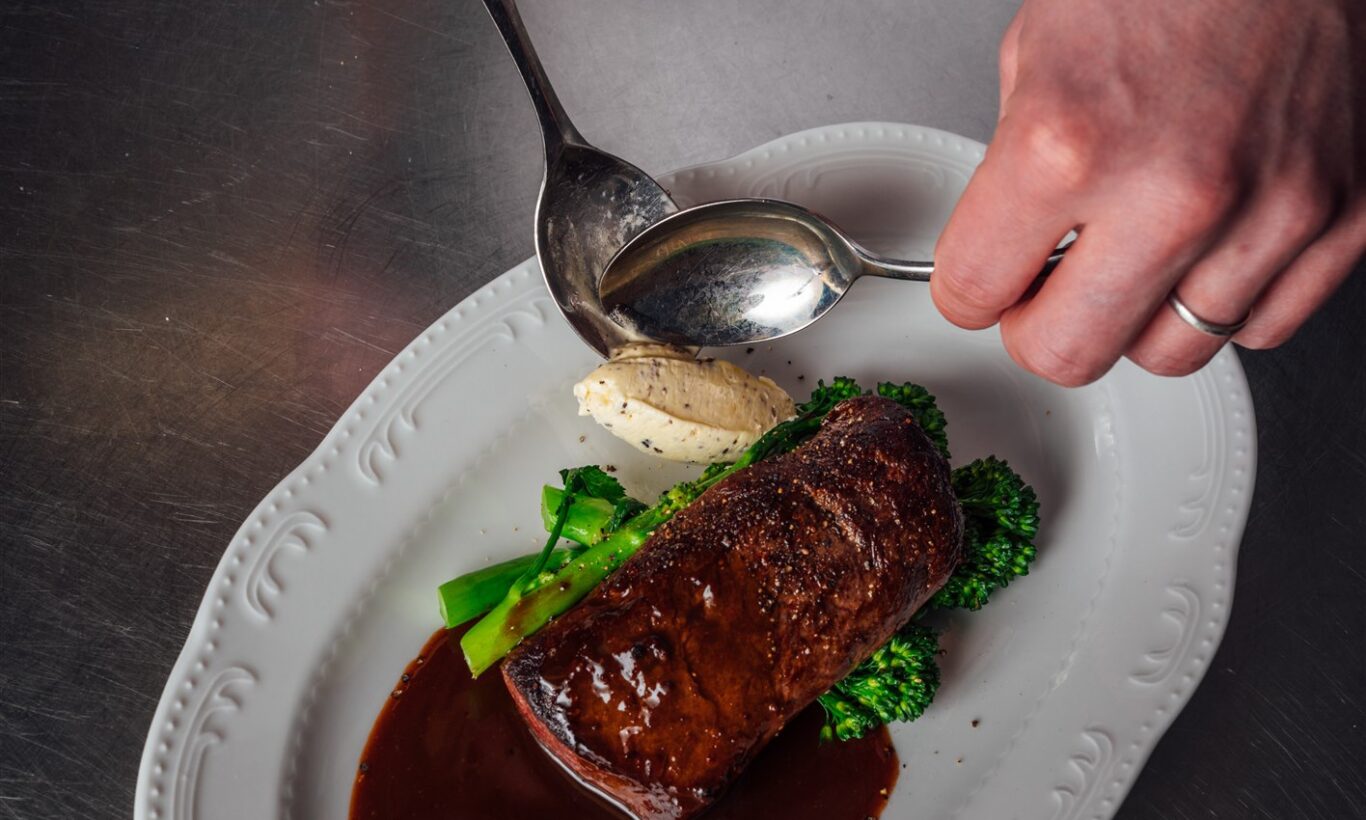
A high-quality fillet or steak shows the elegant side of reindeer. It may be quickly seared and served pink, according to the chef’s preparation and food-safety guidance. The texture is tender and the flavour is clean, concentrated and slightly sweet. Because the meat is so lean, precision matters: too much heat can quickly take away its juiciness.
3. Suovas — salted and smoked reindeer
Suovas is a Sámi tradition of salting and smoking reindeer meat. Smoking adds depth, saltiness and a strong woodland aroma. It may be served in thin slices, warmed over a fire or used in contemporary dishes. For travellers who enjoy smoked foods, suovas is one of the most distinctive tastes of the North.
4. Dried reindeer
Drying preserves the meat and concentrates its flavour. Dried reindeer is firm, salty and intensely savoury, and it is normally eaten in thin slices rather than as a main-course steak. It reflects a practical Arctic tradition: food had to remain usable through long journeys and cold seasons.
5. Slow-cooked and modern preparations
Reindeer also appears in stews, soups, sauces, burgers and refined restaurant dishes. Slow cooking develops round, comforting flavours in tougher cuts. Modern chefs may pair reindeer with roots, mushrooms, wild herbs or tart northern berries. Tartare is another way to present the meat’s pure flavour, but it should only be prepared by professionals using meat suitable for raw service.
What is reindeer served with?
Traditional accompaniments are simple and purposeful. Mashed potatoes bring softness, lingonberries cut through the richness of butter and meat, and pickled cucumber adds freshness. In modern Lappish cooking, reindeer may also be paired with root vegetables, mushrooms, rye, juniper, wild herbs or seasonal berries. These ingredients do not hide the reindeer; they frame it with flavours from the same northern landscape.
Where can you try reindeer in Lapland?
Reindeer is available across Finnish Lapland, from home-style restaurants to contemporary tasting menus. At Restaurant Jäkälä at Kelo Resort, the menu follows the seasons and draws on Lapland’s local ingredients, balancing familiar northern flavours with new ideas. Because the menu changes with nature’s rhythm, ask our team which reindeer dishes are available during your stay.
To understand the animal’s wider role in northern life, read our guide to reindeer in Lapland. You can also meet a local herder and learn about reindeer husbandry during A Journey with Reindeer at Kelo Resort.
So, is reindeer worth trying?
Yes — especially in Lapland, where reindeer is part of the place rather than a novelty added for visitors. Expect a meat that is lean, tender when correctly cooked, rich without being heavy, and usually less gamey than you might imagine. Start with poronkäristys for the traditional experience, choose fillet for the clearest expression of the meat, or try smoked reindeer if you prefer a bolder taste.
Most importantly, taste it in a setting where the ingredient, the season and the surrounding landscape belong together. That is when reindeer becomes more than an unusual item on a menu — it becomes a genuine taste of Lapland.
Frequently asked questions
Does reindeer taste like venison?
It is related in flavour, but reindeer is often finer, milder and less sharply gamey than wild deer. Preparation makes a major difference: smoked reindeer is intense, while a carefully cooked fillet can be delicate.
Does reindeer taste like beef?
Beef is the closest familiar reference for many diners, but reindeer is leaner, darker and more earthy. It has less fatty richness and a more concentrated flavour.
Is reindeer meat tough?
It should not be. Tender cuts need quick, careful cooking, while tougher cuts become soft through slow cooking. Dry or chewy reindeer is usually a preparation issue rather than a defining feature of the meat.
What is the best reindeer dish for a first-time visitor?
Poronkäristys is the most traditional and approachable starting point. It combines thin, tender slices of reindeer with mashed potatoes and lingonberries, creating a balanced dish with both savoury and fresh flavours.